
Oil Prices Surge as US Considers New Iran Strikes: What It Means for Global Markets
Global oil markets are once again facing significant uncertainty as oil prices surge to their highest levels since 2022. Reports that US President Donald Trump is expected to receive military briefings on potential new strikes against Iran have intensified concerns across energy markets, investors, and governments worldwide.
The latest developments come as diplomatic efforts between the United States and Iran appear to have stalled, raising fears of a broader regional conflict that could disrupt global energy supplies. Brent crude oil briefly climbed above $126 per barrel before retreating slightly, reflecting growing market anxiety about the future of oil exports from the Middle East.
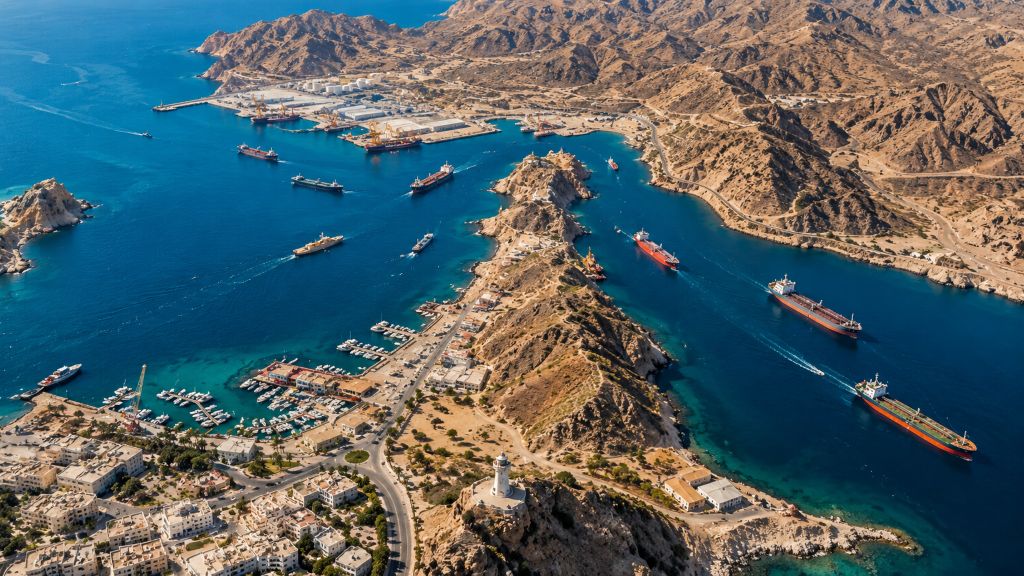
At the center of these concerns is the Strait of Hormuz, one of the world’s most strategically important shipping routes and a critical gateway for global oil transportation.
Why Oil Prices Are Rising
The recent rise in oil prices is primarily driven by geopolitical tensions rather than changes in supply and demand fundamentals.
Investors are closely monitoring developments in the Middle East following reports that military options are being considered by the United States after negotiations with Iran reached a deadlock. Markets generally react strongly to any threat that could impact oil production or transportation, and the current situation presents risks on both fronts.
Brent crude oil, the global benchmark for oil pricing, surged to levels not seen since 2022 as traders factored in the possibility of disruptions to oil exports from the region. Energy analysts warn that prolonged instability could lead to even higher prices if supply routes remain under threat.
The situation highlights how closely global energy markets remain tied to geopolitical events in major oil-producing regions.
The Strategic Importance of the Strait of Hormuz
The Strait of Hormuz is a narrow waterway located between Iran and Oman that connects the Persian Gulf to the Arabian Sea. Despite its relatively small size, it is one of the most important shipping lanes in the world.
A significant portion of global oil exports passes through this route every day, making it a vital artery for international energy supplies. Countries such as Saudi Arabia, Iraq, Kuwait, the United Arab Emirates, and Iran rely heavily on the strait to transport crude oil to global markets.
Any disruption to shipping activity in the Strait of Hormuz immediately raises concerns about supply shortages, higher transportation costs, and increased energy prices worldwide.
Recent reports suggest that the waterway remains effectively restricted following heightened tensions between Iran, Israel, and the United States. Although not fully closed, increased military activity and security concerns have significantly impacted commercial shipping operations.
US Efforts to Restrict Iranian Oil Exports
The United States has long sought to reduce Iran’s ability to generate revenue through oil exports. Economic sanctions and restrictions have been key components of Washington’s strategy to pressure Tehran into altering its policies.
Earlier this year, US forces announced measures aimed at intercepting or turning back vessels traveling to and from Iran’s coastline. These actions were designed to limit Iran’s ability to export crude oil and generate foreign income.
Supporters of the policy argue that restricting oil revenues weakens Iran’s ability to fund military operations and regional activities. Critics, however, warn that such actions can increase tensions and raise the risk of broader conflict.
As negotiations remain stalled, markets are increasingly concerned that further restrictions could lead to retaliatory actions affecting international shipping routes.
Reports of New Military Strike Plans
According to reports from Axios, US Central Command (Centcom) has reportedly developed plans for a new wave of military strikes targeting Iran.
The reported strategy would involve short but powerful operations aimed at key infrastructure targets. The objective, according to anonymous sources cited in the report, would be either to break the current diplomatic deadlock or to deliver a decisive blow before ending military operations.
While no final decision has been announced, the reports have contributed significantly to market volatility.
Energy traders often react before events occur, pricing in potential risks rather than waiting for confirmation. As a result, even discussions of possible military action can trigger substantial increases in oil prices.
How Global Markets Are Responding
Financial markets generally dislike uncertainty, and the current geopolitical environment has increased investor caution.
Oil companies have seen renewed interest from investors as higher energy prices can boost revenues and profits. At the same time, industries that rely heavily on fuel, including airlines, logistics providers, and transportation companies, face increased cost pressures.
Stock markets have experienced heightened volatility as traders attempt to assess the likelihood of further escalation.
Gold and other traditional safe-haven assets have also attracted investor attention as concerns over regional instability grow.
Central banks around the world are watching developments closely because rising energy prices can contribute to inflation and complicate monetary policy decisions.
Impact on Consumers and Businesses
Higher oil prices eventually affect consumers in multiple ways.
The most immediate impact is often seen at fuel stations, where gasoline and diesel prices can rise rapidly in response to increases in crude oil costs.
Businesses that depend on transportation and logistics may also face higher operating expenses, which can lead to increased prices for goods and services.
Industries likely to feel the impact include:
- Transportation and logistics
- Aviation
- Manufacturing
- Agriculture
- Retail distribution
For households, rising energy prices can affect commuting costs, utility bills, and overall inflation.
As a result, developments in the Middle East often have consequences far beyond the region itself.
Could Oil Prices Rise Even Higher?
Many analysts believe further price increases remain possible if tensions continue to escalate.
Several factors could push prices higher:
Extended Disruptions in the Strait of Hormuz
If shipping restrictions become more severe, global oil supplies could tighten significantly.
Additional Military Operations
Any confirmed military action against Iranian infrastructure would likely trigger immediate market reactions.
Supply Chain Uncertainty
Traders often increase purchases when future supply availability becomes uncertain, which can drive prices upward.
Investor Speculation
Market sentiment can amplify price movements as investors react to news developments.
Some analysts have suggested that Brent crude could move well beyond current levels if the situation deteriorates further.
Potential Global Economic Consequences
The global economy remains sensitive to energy shocks.
Historically, major oil price spikes have been associated with:
- Increased inflation
- Slower economic growth
- Higher transportation costs
- Reduced consumer spending
- Market volatility
Countries heavily dependent on imported energy may be particularly vulnerable if prices remain elevated for an extended period.
Governments may need to consider policy measures to manage inflationary pressures and protect economic stability.
What Happens Next?
The coming weeks will be critical for determining the direction of global energy markets.
Key developments to watch include:
- Any official announcement regarding US military action
- Progress or breakdown in diplomatic negotiations
- Shipping activity in the Strait of Hormuz
- Responses from Iran and regional allies
- Changes in global oil production levels
Markets will continue to react rapidly to new information, making volatility likely in both energy and financial sectors.
Conclusion
The recent surge in oil prices reflects growing concerns about geopolitical tensions involving the United States and Iran. With reports of potential military strikes, stalled diplomatic talks, and ongoing disruptions around the Strait of Hormuz, global markets face a period of significant uncertainty.
Because the Strait of Hormuz remains one of the world’s most important energy corridors, any threat to its operation has immediate consequences for oil prices, inflation, and economic stability.
While the situation remains fluid, businesses, investors, and consumers should closely monitor developments in the Middle East. The outcome of upcoming decisions could shape global energy markets and economic conditions for months to come.