
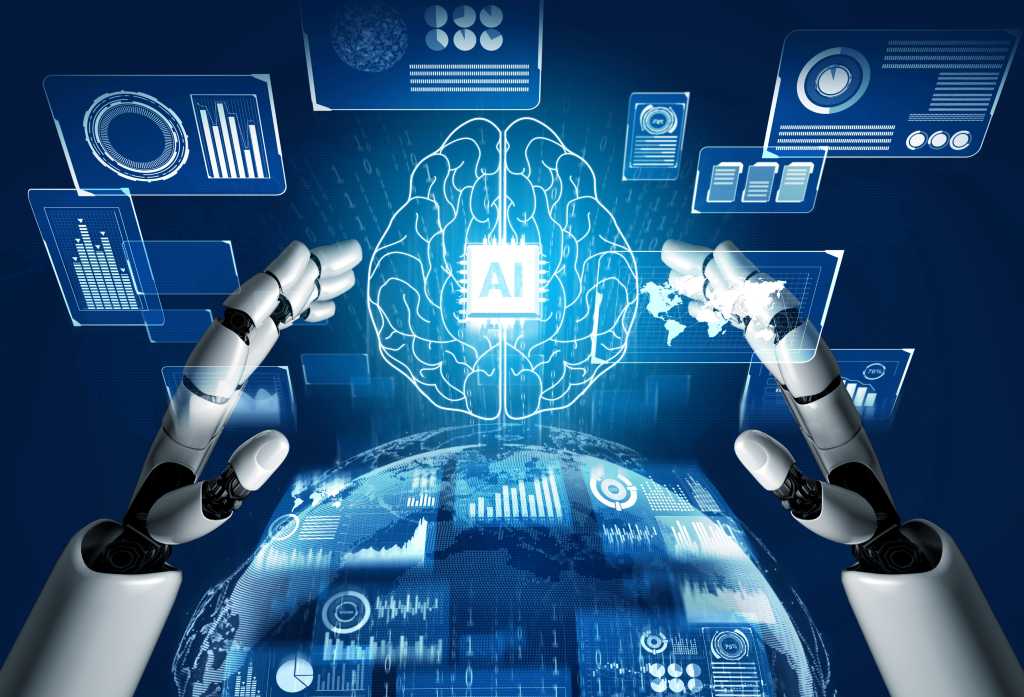
Artificial intelligence is no longer a futuristic concept—it has become a part of everyday routines across the world. From the way people search for information online to how businesses operate and healthcare systems function, artificial intelligence in daily life is transforming how society works.
In 2026, AI technologies are integrated into smartphones, smart homes, healthcare devices, transportation systems, and digital services. Many people interact with AI dozens of times a day without even realizing it. Voice assistants answer questions, recommendation systems suggest entertainment, and automated tools help businesses make smarter decisions.
The rapid growth of artificial intelligence is driven by advances in machine learning, cloud computing, and big data analytics. These technologies allow systems to analyze patterns, predict outcomes, and automate tasks that once required human effort.
Understanding how artificial intelligence affects daily activities helps individuals and businesses adapt to the changing digital landscape. In this article, we explore how artificial intelligence in daily life is shaping technology, healthcare, business, and cybersecurity in 2026.
What Artificial Intelligence Means Today
Artificial intelligence refers to computer systems designed to perform tasks that typically require human intelligence. These tasks include problem-solving, learning from data, recognizing patterns, and making predictions.
In earlier decades, AI existed mostly in research labs or specialized applications. Today, however, artificial intelligence in daily life has become widely accessible because of powerful computing infrastructure and large datasets.
Modern AI systems rely heavily on machine learning algorithms. These algorithms learn from historical data and improve their performance over time without explicit programming. For example, recommendation engines on streaming platforms analyze viewing behavior to suggest relevant content.
AI technologies today can perform a wide range of tasks, including:
- Natural language processing for chatbots and voice assistants
- Image recognition for security and medical diagnostics
- Predictive analytics for business decision-making
- Automation of repetitive digital tasks
- Smart recommendations for personalized experiences
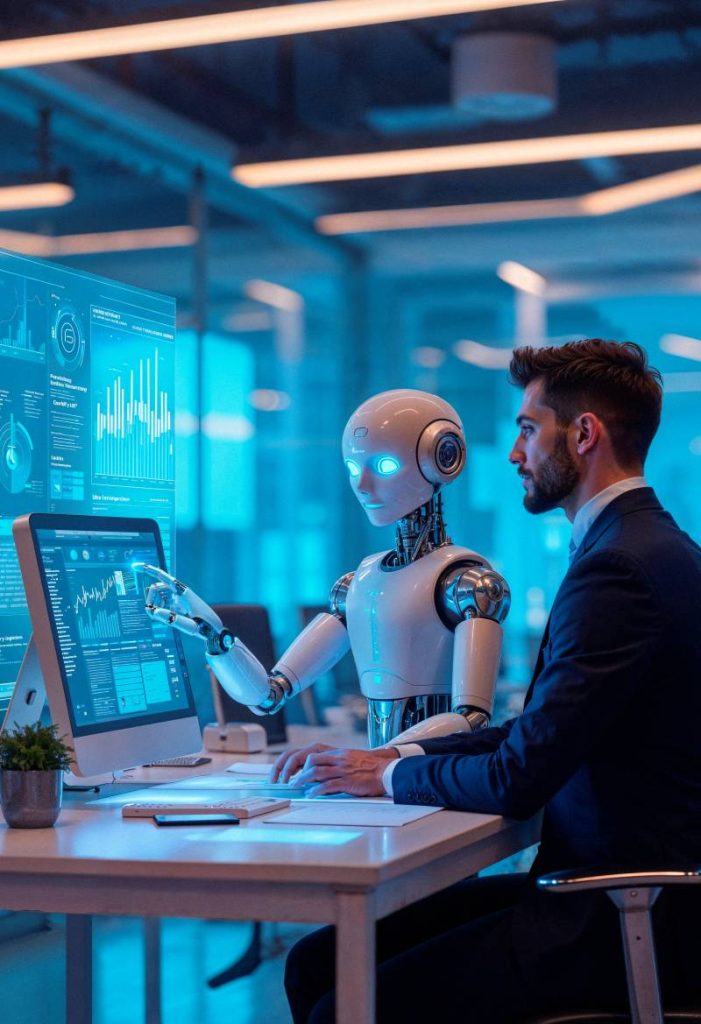
The increasing presence of artificial intelligence means people interact with intelligent systems more frequently, often through everyday digital tools.
AI in Everyday Technology
One of the most visible examples of artificial intelligence in daily life is in everyday technology. Smartphones, apps, and smart devices now rely heavily on AI-powered systems to improve user experience.
Smart Assistants
Voice assistants such as digital assistants on smartphones and smart speakers use AI to process spoken language and respond intelligently. These assistants can set reminders, provide weather updates, answer questions, and control smart home devices.
Natural language processing allows these assistants to understand context and deliver more accurate responses. Over time, they learn user preferences and provide increasingly personalized results.
Smart Homes
AI-powered smart home systems are becoming common in many households. Smart thermostats, lighting systems, and security cameras use artificial intelligence to learn patterns of household activity.
For example, smart thermostats analyze usage behavior to optimize temperature settings automatically. Security cameras use AI-based image recognition to detect unusual activity and send alerts.
Content Recommendations
Many online platforms rely on AI recommendation systems. Streaming services, shopping websites, and social media platforms use artificial intelligence to suggest content that aligns with user interests.
These systems analyze browsing patterns, purchase history, and interaction behavior to predict what users are most likely to engage with.
This widespread adoption of intelligent systems demonstrates how deeply artificial intelligence in daily life has become embedded in digital experiences.

AI in Healthcare and Fitness
Artificial intelligence is also transforming healthcare and fitness industries. AI-powered tools help medical professionals diagnose diseases, monitor patients, and improve treatment outcomes.
AI in Medical Diagnostics
AI-driven diagnostic tools can analyze medical images such as X-rays, MRIs, and CT scans to detect patterns associated with certain diseases. These tools assist doctors by providing additional insights and identifying potential health risks earlier.
Early detection can significantly improve treatment success rates for conditions such as cancer, heart disease, and neurological disorders.
Wearable Health Technology
Wearable devices such as smartwatches and fitness trackers now include AI-powered health monitoring features. These devices track heart rate, physical activity, sleep patterns, and oxygen levels.
Artificial intelligence analyzes the collected data to provide insights about health conditions and fitness habits. Some devices can even detect irregular heart rhythms or signs of stress.
Personalized Health Insights
AI systems also enable personalized health recommendations. By analyzing user data, AI-powered fitness apps can recommend workout routines, dietary suggestions, and wellness strategies tailored to individual needs.
As technology continues to advance, artificial intelligence in daily life will play an even greater role in preventive healthcare and personal wellness.
AI in Business and Automation
Businesses across industries are increasingly adopting artificial intelligence to improve efficiency, productivity, and decision-making.
Process Automation
AI-powered automation tools help companies automate repetitive tasks such as data entry, customer support responses, and document processing. This allows employees to focus on higher-value activities that require human creativity and judgment.
Automation also reduces operational costs and improves accuracy by minimizing human errors.
Customer Support Systems
Many companies use AI-powered chatbots to handle customer service interactions. These chatbots can answer common questions, assist with account issues, and provide product information.
Modern AI chatbots can process natural language and respond with context-aware answers, improving customer experience while reducing workload on support teams.
Data-Driven Decision Making
Artificial intelligence helps organizations analyze large volumes of data to identify trends and insights. Predictive analytics tools allow businesses to forecast demand, optimize marketing campaigns, and improve product development strategies.
Companies that adopt AI-driven decision systems often gain a competitive advantage because they can respond faster to market changes.
With the rise of digital transformation, artificial intelligence in daily life is increasingly influencing how businesses operate and innovate.
AI and Cybersecurity Protection
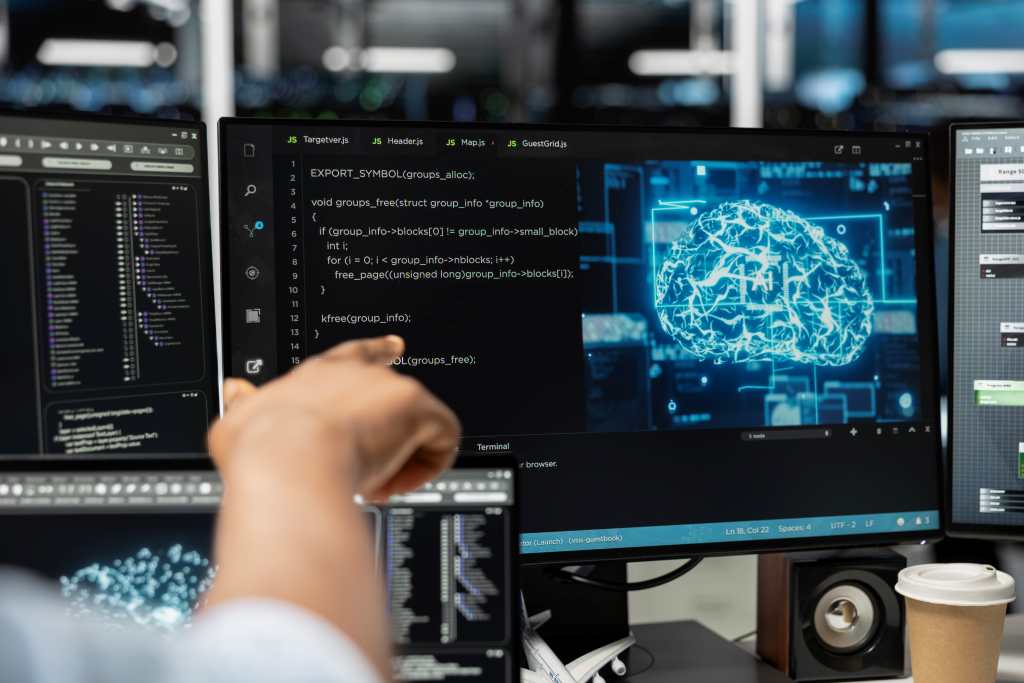
As digital systems grow more complex, cybersecurity has become a critical concern. Artificial intelligence plays a major role in protecting networks, systems, and sensitive data from cyber threats.
Threat Detection
AI-powered cybersecurity tools analyze network traffic and system behavior to detect unusual patterns. These systems can identify potential cyberattacks much faster than traditional security methods.
For example, AI can detect suspicious login attempts, malware activity, or unusual data transfers that may indicate a security breach.
Fraud Prevention
Financial institutions use artificial intelligence to monitor transactions and detect fraudulent activity. AI algorithms analyze spending patterns and flag suspicious transactions in real time.
This helps banks and payment systems prevent fraud before significant financial damage occurs.
Automated Security Response
Some advanced security platforms use artificial intelligence to automatically respond to threats. When a suspicious activity is detected, the system can isolate affected devices, block malicious traffic, and alert security teams.
As cyber threats continue to evolve, AI-driven security solutions will remain essential for maintaining digital safety.
Risks and Concerns Around AI
Despite its many benefits, artificial intelligence also raises important concerns. As artificial intelligence in daily life becomes more widespread, experts and policymakers are discussing how to manage its risks responsibly.
Data Privacy
AI systems rely heavily on large datasets, which often include personal information. If not managed properly, these systems could compromise user privacy.
Organizations must ensure that data collection and usage comply with privacy regulations and ethical standards.
Job Displacement
Automation driven by artificial intelligence may replace certain jobs that involve repetitive tasks. While AI also creates new opportunities, workforce transitions can be challenging.
Education and skill development programs are essential to help workers adapt to changing job markets.
Ethical Concerns
AI decision-making systems must be designed carefully to avoid bias or discrimination. Algorithms trained on incomplete or biased datasets may produce unfair outcomes.
Developers and policymakers are working to create frameworks that ensure AI systems operate transparently and responsibly.
Addressing these concerns will be important to ensure that artificial intelligence continues to benefit society without creating unintended consequences.
The Future of Artificial Intelligence
Despite its many benefits, artificial intelligence also raises important concerns. As artificial intelligence in daily life becomes more widespread, experts and policymakers are discussing how to manage its risks responsibly.
Data Privacy
AI systems rely heavily on large datasets, which often include personal information. If not managed properly, these systems could compromise user privacy.
Organizations must ensure that data collection and usage comply with privacy regulations and ethical standards.
Job Displacement
Automation driven by artificial intelligence may replace certain jobs that involve repetitive tasks. While AI also creates new opportunities, workforce transitions can be challenging.
Education and skill development programs are essential to help workers adapt to changing job markets.
Ethical Concerns
AI decision-making systems must be designed carefully to avoid bias or discrimination. Algorithms trained on incomplete or biased datasets may produce unfair outcomes.
Developers and policymakers are working to create frameworks that ensure AI systems operate transparently and responsibly.
Addressing these concerns will be important to ensure that artificial intelligence continues to benefit society without creating unintended consequences.
Conclusion
Artificial intelligence is rapidly transforming how people live, work, and interact with technology. From smart assistants and wearable health devices to automated business systems and advanced cybersecurity solutions, artificial intelligence in daily life is shaping the digital future.
While challenges related to privacy, ethics, and employment remain important considerations, the potential benefits of AI are significant. With responsible development and thoughtful regulation, artificial intelligence can continue improving efficiency, innovation, and quality of life.
As we move further into the digital age, understanding and embracing artificial intelligence will be essential for individuals, businesses, and societies worldwide.